

Rules of etiquette
Email etiquette is a set of principles that guide appropriate business communication when writing to potential and existing clients, business partners, co-workers, managers, and acquaintances in your professional network https://regalassetsv.com/.
Having a professional email address is a show of professionalism and seriousness. If you’re representing a business, always use your company email. If you’re a freelancer or contractor without a professional website, create a Gmail with your full name. Leave the nicknames for informal emails.
If you’re writing directly to a colleague or someone you have a friendly professional relationship with, you can start with the following, start with “Hello” or “Hi.” Someone you‘ve never met or have a formal professional relationship with, like a hiring manager or a new or potential client, should be greeted with “Dear.”
Pay special attention to email threads. When you use the “reply all” button, you might send the email to a recipient who is no longer involved or wants to be left out of the correspondence. Double-check who you’re replying to before hitting send.
Plus, proper email etiquette doesn’t just cover social, cultural and professional aspects—it also encompasses some unique technological rules, says Toni Dupree, CEO of Etiquette & Style by Dupree. Because of the rapidly evolving nature of technology, what’s “good” and “bad” changes frequently.
Rules of etiquette
But etiquette also expresses something more, something we call “the principles of etiquette.” Those are consideration, respect, and honesty. These principles are the three qualities that stand behind all the manners we have. They are timeless and cross cultural boundaries, unlike manners, which can change over time and differ around the world.
23. Listening is very important. It doesn’t mean you must keep mute during a conversation, but showing a keen interest in the discussion and interjecting at an appropriate timing depicts that you are on the same page as your partner.

But etiquette also expresses something more, something we call “the principles of etiquette.” Those are consideration, respect, and honesty. These principles are the three qualities that stand behind all the manners we have. They are timeless and cross cultural boundaries, unlike manners, which can change over time and differ around the world.
23. Listening is very important. It doesn’t mean you must keep mute during a conversation, but showing a keen interest in the discussion and interjecting at an appropriate timing depicts that you are on the same page as your partner.
1. Timing is very important. Always keep to time when honoring a meeting, date, event, etc. When you show up late, it says so much about your personality and the kind of regard you show to important things.
9. While using an earphone, make sure it is well plugged to avoid a situation where it’s playing in your ears and at the same time playing on your device’s speaker. It can be discomforting to people around.
Rules of meeting etiquette
Your meeting room has more of an impact on your meeting than you’d think. While giving everyone elbow space is a great start, in today’s hybrid work environment, the right technology is what truly bridges the gap between in-person and remote colleagues. To be respectful of your team and their time, you must ensure those calling in can see and hear just as clearly as those in the room.
Ever had a nightmare meeting? You know the one. The one where a coworker is clearly scrolling through social media on their video call, another is loudly eating their lunch right into the microphone, or someone in the conference room whispers to the person next to them, forgetting that the remote attendees can hear everything. Luckily, understanding modern meeting etiquette for blended work environments doesn’t have to be difficult.
Nothing looks more unprofessional than being asked about your work and being unable to answer questions about it. Know what you’re bringing to the table and be prepared for any questions people may have about it. Run through a list of the questions before the meeting starts and be prepared to answer them.
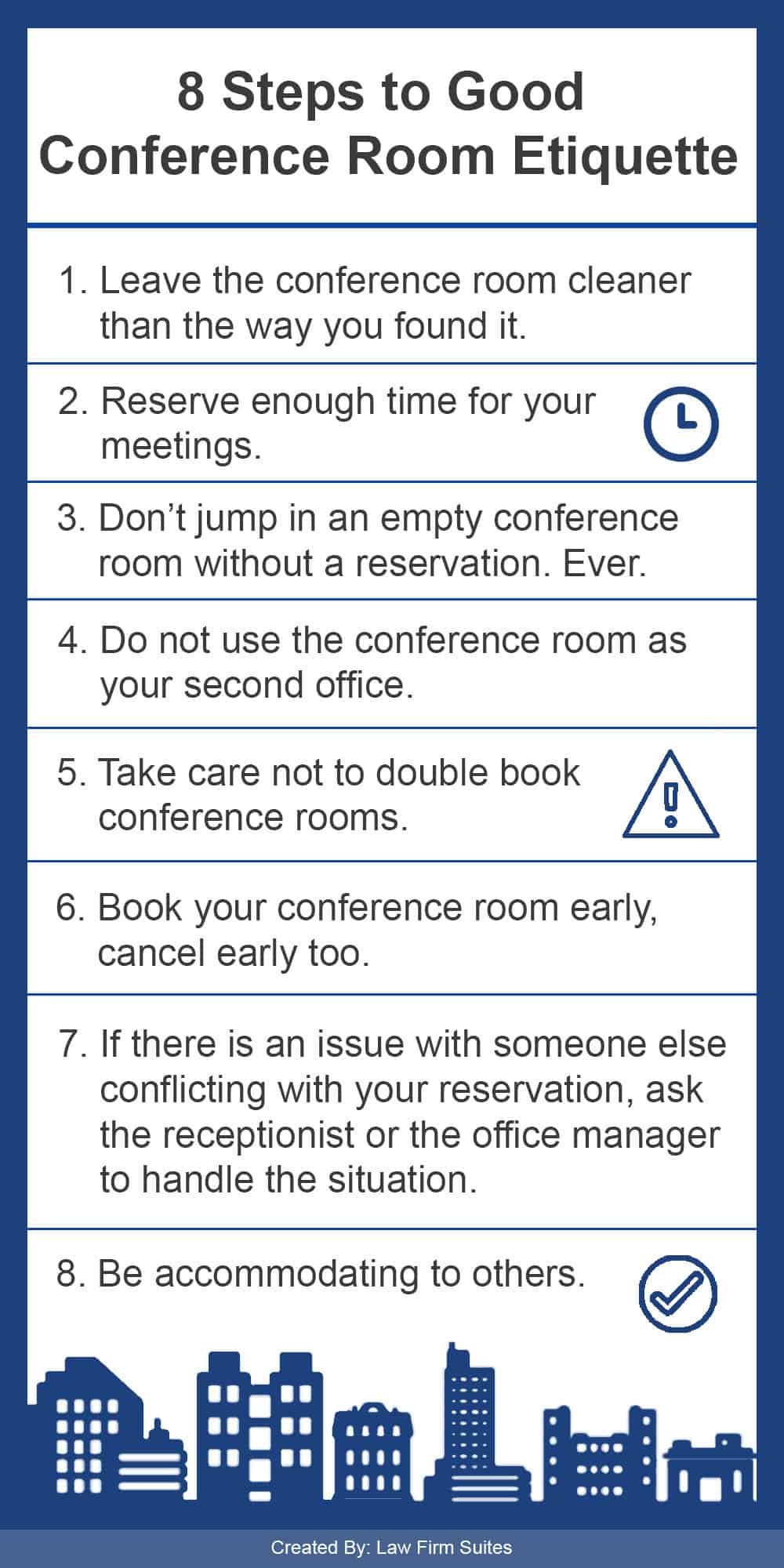
Your meeting room has more of an impact on your meeting than you’d think. While giving everyone elbow space is a great start, in today’s hybrid work environment, the right technology is what truly bridges the gap between in-person and remote colleagues. To be respectful of your team and their time, you must ensure those calling in can see and hear just as clearly as those in the room.
Ever had a nightmare meeting? You know the one. The one where a coworker is clearly scrolling through social media on their video call, another is loudly eating their lunch right into the microphone, or someone in the conference room whispers to the person next to them, forgetting that the remote attendees can hear everything. Luckily, understanding modern meeting etiquette for blended work environments doesn’t have to be difficult.
Nothing looks more unprofessional than being asked about your work and being unable to answer questions about it. Know what you’re bringing to the table and be prepared for any questions people may have about it. Run through a list of the questions before the meeting starts and be prepared to answer them.